


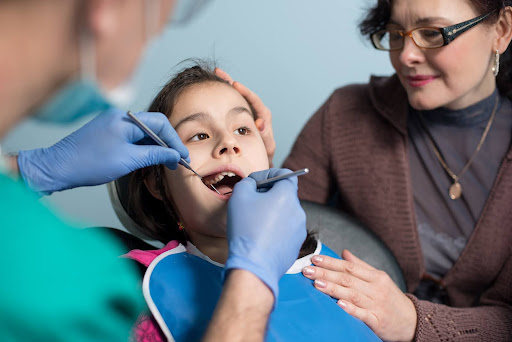
Parents are paying closer attention to how their child’s smile is developing. Small changes in bite, spacing, or jaw growth can show up earlier than many expect. An early orthodontic checkup for kids helps families understand what is happening now, not years later.
This article explains why early evaluations are becoming more common, what orthodontists look for at younger ages, and how early care can support healthier growth as children develop.
When Should a Child See an Orthodontist?
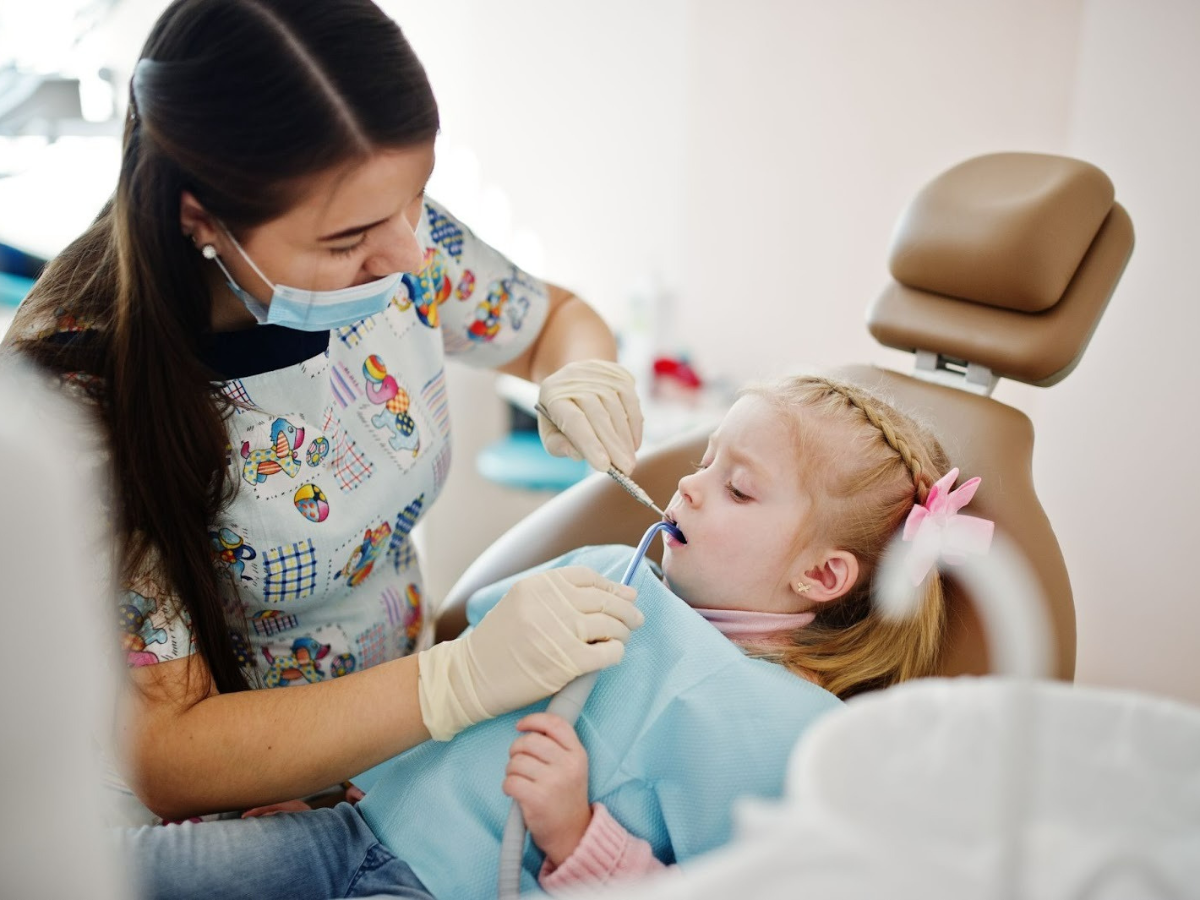
Many parents assume orthodontic visits should wait until all permanent teeth come in. In reality, growth patterns in the jaw and bite can be evaluated much earlier. Seeing an orthodontist at the right time helps identify concerns before they become harder to correct.
Most professionals recommend an initial visit around age seven. This timing allows orthodontists to check how the jaw is developing, how teeth are erupting, and how the bite is forming. Asking when a child should see an orthodontist often leads to reassurance, not immediate treatment.
During an early visit, orthodontists may look for several common indicators:
- Crowding or spacing issues
- Crossbites, overbites, or underbites
- Early loss of baby teeth
- Habits that affect tooth position, such as thumb sucking
These evaluations focus on guidance and monitoring. For many children, the visit simply sets a baseline and helps families plan with clarity.
Early Bite Problems in Children Can Be Easy to Miss
Some bite concerns develop gradually and do not cause pain or obvious changes right away. Teeth may appear straight, yet the jaws may not be aligned properly as a child grows. These early patterns can affect chewing, speech, and even facial development over time.
Early bite problems in children are often tied to how the upper and lower jaws fit together. An orthodontist looks beyond surface appearance to see how teeth meet, how pressure is distributed, and how growth is progressing. Catching these issues early creates more options and less strain later.
Common bite concerns seen at younger ages include:
- Crossbites, where the upper and lower teeth do not line up
- Overbites or underbites that worsen with growth
- Crowding caused by limited space in the jaw
- Shifting teeth is linked to early tooth loss or habits
Addressing these concerns early does not always mean starting treatment right away. In many cases, it allows for simple monitoring and well-timed care that supports healthier development.
What an Early Orthodontic Evaluation Looks Like Today
An early orthodontic evaluation is simple and low-pressure. The goal is to understand how a child’s teeth and jaws are developing at their current stage. These visits focus on observation, not committing families to treatment.
Orthodontists examine bite alignment, spacing, and jaw growth. X-rays or digital scans may be used to see how permanent teeth are forming below the surface. This helps identify concerns that may not be visible during a regular dental exam.
Many children leave these visits with no immediate plan beyond periodic check-ins. For others, timing guidance is provided so care can begin at the most effective stage. This approach helps parents feel informed and avoids unnecessary treatment.
How Phase 1 Orthodontic Treatment Supports Healthy Growth
Phase 1 orthodontic treatment focuses on guiding jaw and dental development while a child is still growing. It is used in specific cases where early correction can reduce future complications. The goal is to create a healthier foundation before all adult teeth come in.
This type of treatment may be recommended to address spacing issues, jaw imbalance, or bite concerns that affect growth. By working  with natural development, orthodontists can often shorten or simplify later care. Phase 1 orthodontic treatment is not needed for every child, but it can make a meaningful difference for some.
Common goals of early treatment include:
- Improving jaw alignment during growth
- Creating space for incoming permanent teeth
- Reducing the risk of tooth impaction
- Supporting balanced facial development
After this stage, many children return to regular monitoring. Any future treatment can then begin at a more stable and predictable point.
Why Pediatric Orthodontic Care Is Shifting Toward Prevention
Orthodontic care for children has changed over the years. The focus is no longer only on straightening teeth during the teenage years. More attention is now placed on guiding growth and reducing future problems early on.
Pediatric orthodontic care allows orthodontists to watch how a child’s mouth develops over time. Growth patterns, bite changes, and spacing issues can be tracked before they lead to more complex concerns. This approach helps families make informed decisions without pressure.
Prevention also supports comfort and confidence. Early monitoring can lower the chance of severe crowding or jaw imbalance later. For many families, this shift means fewer surprises and a clearer path as their child grows.
Common Questions Parents Have About Early Orthodontic Visits
1.Does an early orthodontic visit mean my child will need braces right away?
No, most early visits do not lead to immediate treatment. These appointments are often used to monitor growth and plan timing if care is needed later.
2. Can an orthodontist help even if my child still has baby teeth?
Yes, baby teeth play an important role in guiding permanent teeth. Evaluating them early helps orthodontists spot spacing or bite concerns sooner.
3. How often should my child be seen after the first evaluation?
This depends on what the orthodontist observes during the visit. Some children only need occasional check-ins to track development.
Supporting Early Orthodontic Care at Eagle Rock Orthodontics
At Eagle Rock Orthodontics, we believe early guidance plays an important role in long-term oral health. Led by Dr. Garen Utudjian, our team focuses on evaluating growth patterns, bite development, and spacing concerns with a calm and thoughtful approach. These early visits are about understanding what is happening now and giving families clear information without pressure.
We proudly care for families in Eagle Rock, CA, and surrounding communities. Our practice offers modern orthodontic solutions for children, teens, and adults, with a strong emphasis on comfort and personalized care.
If you have questions about your child’s smile or want professional insight early on, we invite you to book a free consultation with our team.