


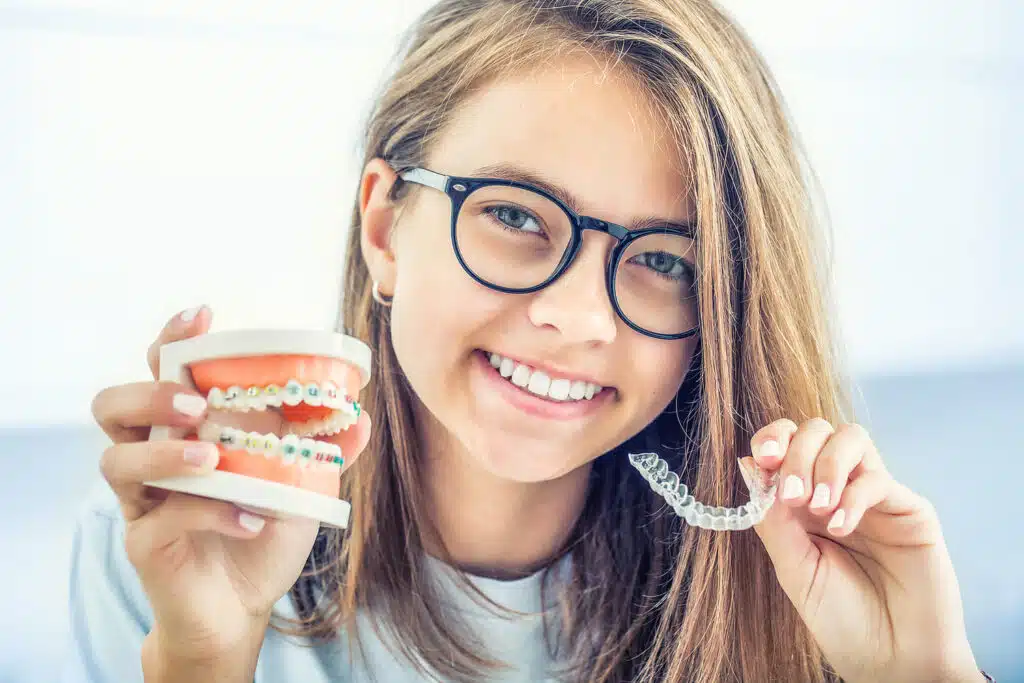
Choosing orthodontic care is a personal decision that affects your comfort, confidence, and daily routine. Many people want straighter teeth but feel unsure about which option fits their goals and habits. Invisalign Los Angeles patients often compare clear aligners with traditional braces to find a solution that feels manageable and effective.
This guide explains how each orthodontic approach works and what to consider before starting treatment.
Understanding Today’s Orthodontic Treatment Options
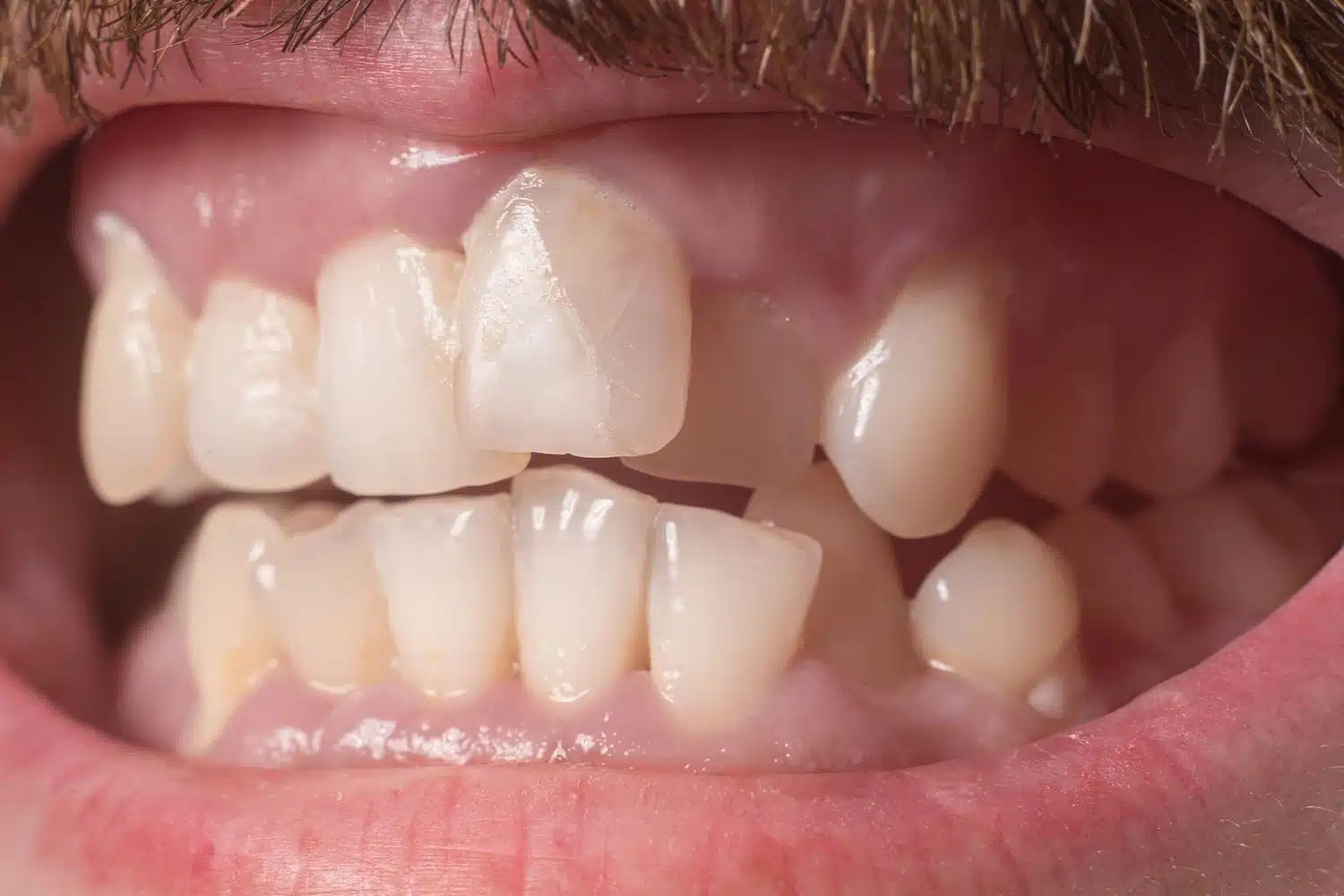 Orthodontic care has changed over time, giving patients more flexibility than before. Treatment is no longer limited to one method or age group. Adults and teens can now choose solutions that fit their comfort level, appearance concerns, and daily responsibilities.
Today’s orthodontic treatment options include traditional braces, clear aligners, and other corrective appliances designed to guide teeth into better alignment. Each option works differently and addresses specific concerns. Some focus on appearance, while others prioritize complex bite correction or long-term stability.
An orthodontist evaluates tooth position, jaw alignment, and oral health before recommending care. The goal is not just straight teeth, but a balanced bite and lasting results. Understanding how these options differ helps patients feel more confident about starting treatment.
How Clear Aligners Compare to Traditional Braces
Clear aligners and braces both straighten teeth, but the experience of wearing them feels very different. Aligners sit snugly over the teeth and can be removed during meals or brushing. Braces stay fixed in place and apply steady pressure through brackets and wires.
Key differences patients often consider include:
- Visibility during daily activities and social settings
- Ease of eating and oral hygiene
- Adjustment visits and overall comfort
Clear aligners appeal to patients who want a low-profile option that fits into a busy routine. Braces remain a strong choice for cases that need precise control. Comparing both helps set realistic expectations before treatment begins.
Orthodontic Solutions for Different Smile Goals
Every smile has its own set of concerns, from crowding to spacing to bite alignment. Treatment choices depend on what needs correction and how the teeth are expected to move over time. A clear plan helps avoid unnecessary adjustments later.
Some patients want subtle changes, while others need more structured correction. Orthodontic solutions are designed to address these differences by matching treatment methods to specific goals. This approach supports better function, improved comfort, and stable results.
An orthodontist considers age, oral health, and long-term maintenance before recommending care. When treatment aligns with clear goals, patients are more likely to stay consistent and satisfied with the outcome.
When Braces May Be the Better Choice
Some orthodontic cases require a higher level of control to guide teeth into proper alignment. Braces apply continuous pressure and allow detailed adjustments throughout treatment. This makes them effective for more complex concerns.
Braces are often recommended for:
- Severe crowding or overlapping teeth
- Significant bite issues involving the jaw
- Situations that require precise tooth movement
When comparing Invisalign vs braces, structure and consistency matter. Braces do not rely on daily removal habits, which can help keep treatment on track for certain patients.
Choosing the Right Orthodontic Treatment for Your Lifestyle
Daily habits play a big role in orthodontic success. Work schedules, social activities, and personal routines all affect how easy it is to stay consistent with care. Treatment should support these patterns, not interrupt them.
Some patients prefer removable aligners that allow flexibility during meals and oral care. Others value the reliability of fixed appliances that stay in place at all times. Choosing the right orthodontic treatment involves balancing comfort, responsibility, and long-term goals.
A professional evaluation helps clarify these factors. With the right guidance, patients can move forward with confidence and realistic expectations.
Cost, Maintenance, and Long-Term Care Considerations
 Orthodontic treatment is an investment that extends beyond straightening teeth. Cost can vary based on treatment type, length of care, and the complexity of alignment issues. Many practices offer flexible payment options to help make care more accessible.
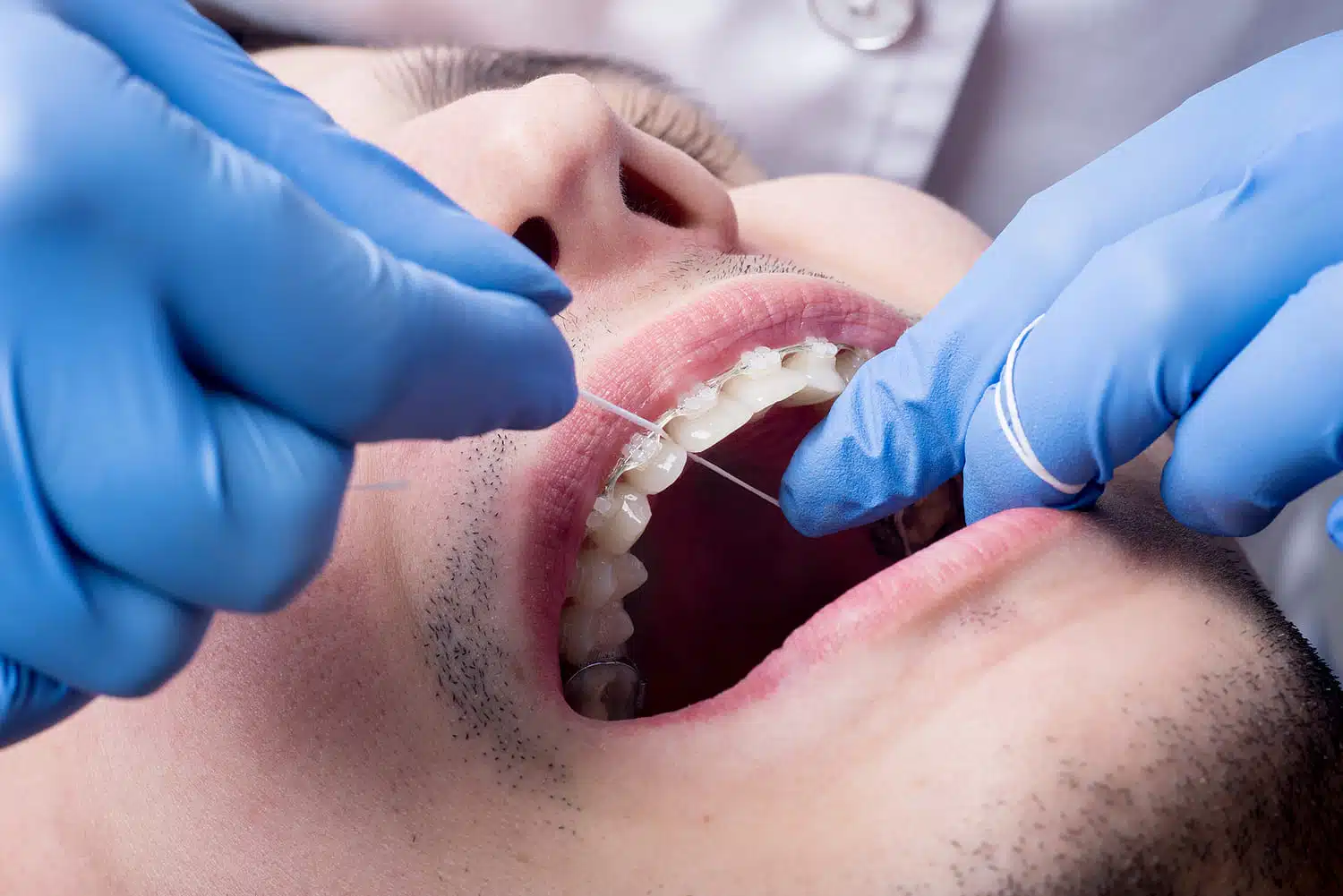
Maintenance also differs between treatment methods. Aligners require consistent wear and careful cleaning, while braces need extra attention during brushing and flossing. Long-term care often includes wearing a retainer to help preserve results and support ongoing oral health.
Frequently Asked Questions About Invisalign and Braces
1. How long does orthodontic treatment usually take?
Treatment length depends on how much movement is needed and how the bite responds over time. Many patients complete treatment within one to two years. More complex alignment or bite issues may require additional time to achieve stable results.
2. Is orthodontic treatment painful?
Most patients notice pressure or mild soreness after adjustments or when starting a new set of aligners. This sensation is temporary and usually fades within a few days. Over-the-counter pain relief and soft foods often help during this period.
3. How often are orthodontic appointments scheduled?
Appointments are usually scheduled every four to eight weeks to monitor progress. These visits allow the orthodontist to make adjustments and ensure teeth are moving as planned. Visit frequency may change depending on the treatment type and stage of care.
4. Can adults still benefit from orthodontic treatment?
Yes, orthodontic care is effective at any age as long as teeth and gums are healthy. Many adults seek treatment to improve function, comfort, and long-term oral health. Modern options make treatment more discreet and manageable.
5. Will I need to wear a retainer after treatment?
Retainers help keep teeth in their new positions after active treatment ends. Wearing a retainer as directed reduces the risk of teeth shifting over time. Long-term use supports lasting results and protects the investment in orthodontic care.
Personalized Orthodontic Care with Eagle Rock Orthodontics in Eagle Rock, CA
Eagle Rock Orthodontics provides expert orthodontic care for patients in Eagle Rock, CA, who want a healthier, more confident smile. Led by Dr. Garen Utudjian, the practice focuses on modern techniques, comfort-focused care, and clear communication. Patients receive professional guidance when comparing braces and Invisalign, with recommendations based on clinical needs and long-term results.
The practice offers comprehensive orthodontic services for children, teens, and adults, including braces, Invisalign, and retainers. Each treatment plan is designed around the patient’s dental needs, lifestyle, and comfort.
To learn more about your options, book a free consultationand take the first step toward a straighter smile.